
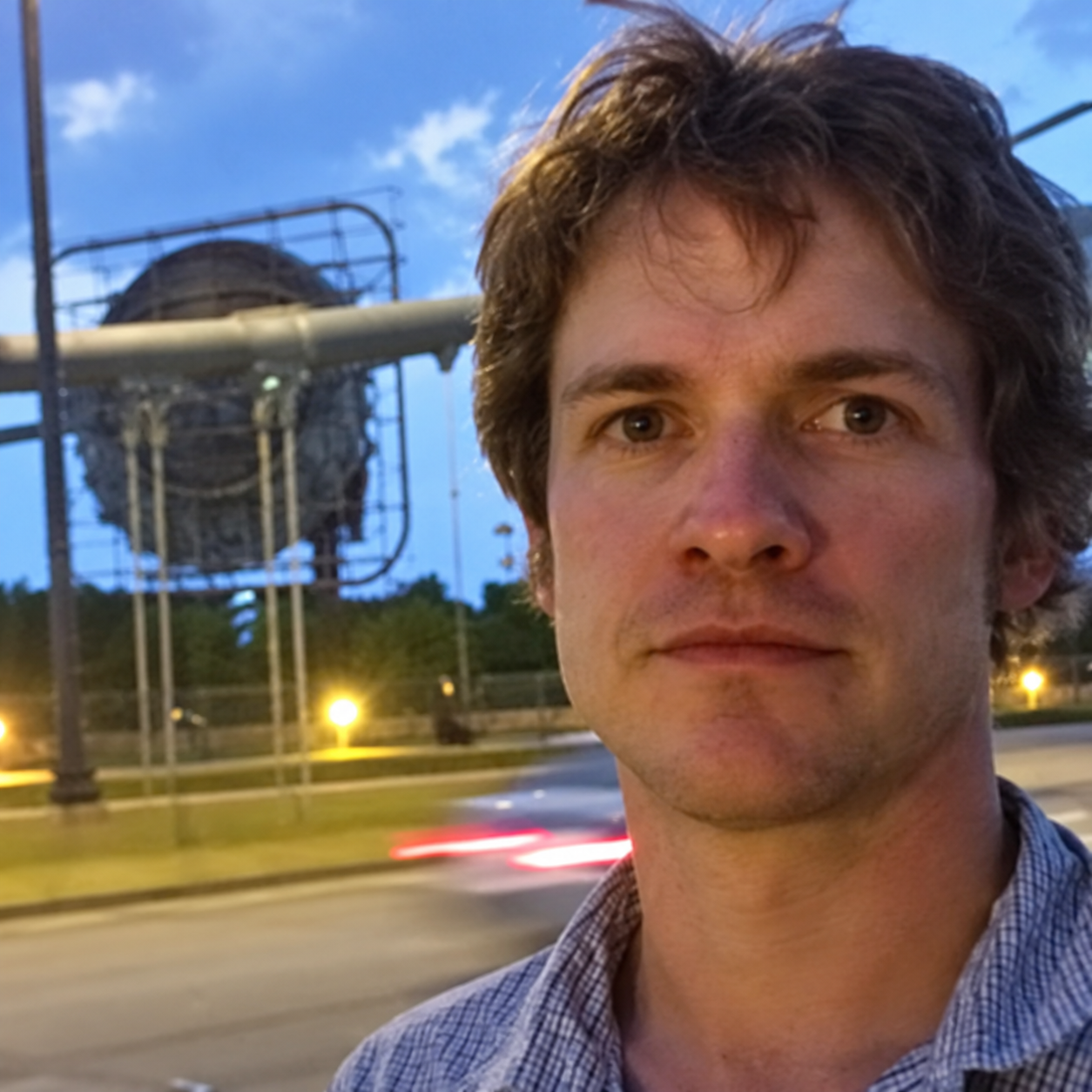
GVC3 asked Brock Stai six questions about climate action in Mt. Crested Butte and the Gunnison Valley, covering buildings, transportation, greenhouse gas emissions, and wildfire preparedness. Below are our questions and his full responses, shared to help community members understand his ideas and priorities.
1. What measures would you like to see Mt Crested Butte adopt to further carbon emissions reduction and climate leadership in the upper Gunnison Valley?
Brock Stai: Solvable sources of carbon emissions in our community are transportation and buildings. To further reduce emissions and strengthen climate leadership, Mt. Crested Butte should incentivize the construction of net-zero homes. Incentivizing and rewarding homeowners and builders who invest in highly efficient homes that generate and use their own renewable energy would encourage wider adoption while reducing long-term energy demand and operating costs. Retrofitting current structures to Electric with PV could follow, supported by rebates and loan programs. Regarding transportation, more on that later.
2. Vehicular traffic along Gothic Road and throughout the upper valley is only going to increase. There is, in the next few years by our estimation, a potential increase in carbon emissions due to this additional traffic of 3–5% to Gunnison County’s current carbon emissions. What do you believe would be the best means to mitigate against this significant increase in traffic and associated carbon emissions?
Brock Stai: Mitigation requires careful development planning to curb additional valley sprawl and reduce dependence on personal vehicles, especially since local traffic is heavily dominated by construction and property management. Reinstating the Mountain Express bus service between the transit center and the Snodgrass trailhead would also help alleviate commuter traffic along that corridor.
3. How would you work with the Town of Crested Butte, the Crested Butte South POA, The City of Gunnison, Mt Express, and RTA to mitigate the growing traffic and carbon emissions on Hwy 135?
Brock Stai: We need a feeder service for each town and bus stop along highway 135. First- and last-mile transportation networks are one of the biggest barriers to using mass transit. We are on the technological cusp of autonomous electric vehicles that could provide this feeder service. Along with feeder service, more frequent buses during busy times and more space for bike storage could also increase ridership.
4. How can we incentivize using alternative transportation options such as hybrid and electric cars,electric buses, e-bikes, and electric First Tracks vehicles?
Brock Stai: Towns can utilize municipal rebates alongside state and federal grants—similar to Summit County’s Summit Stage—to prioritize electrifying the aging Mountain Express and RTA fleets. Individual EV adoption will grow as lower-cost models and used models become available, while constructing the planned Gothic-to-Gunnison recreational path will offer a practical commuting alternative.
5. What other innovative, out of the box solutions might you consider to reduce carbon emissions in Mt Crested Butte and our county?
Brock Stai: Education, incentives, and thoughtful development practices are some of the most powerful tools available to reduce carbon emissions in Mt. Crested Butte and Gunnison County. Many residents may not fully understand their construction options, as well as the long-term impacts of building design, orientation, energy use, and transportation habits. Showcasing successful examples of energy-efficient construction and low-carbon living can help shift community norms over time. Encouraging smart design through rebates, property tax breaks, expedited permitting, or other incentives could have a lasting impact on our community’s carbon footprint.
Regarding Greenhouse Gases: We need to work to address the West Elk coal mine and its methane gas releases by holding the owner accountable and adhering to EPA standards. We can all be doing the right thing to reduce our impact, but if a mine in our county is releasing a greenhouse gas that is many times more potent than carbon dioxide, we have an imbalance.
Further out-of-the-box ideas: We could explore electric car share programs, and replacing the stop signs in the town of Crested Butte on 6th Street with yield signs to prevent traffic backups and excess idle pollution.
6. Climate change has resulted in the warmest and driest winter in our location on record. Wildfire danger has been severe. What kind of measures do you propose to protect the citizens of our valley against wildfire threat to our communities?
Brock Stai: We need to partner with inter-agency entities (U.S. Forest Service, fire districts, Gunnison County, and state agencies) to develop proactive mitigation strategies. This could include creating strategic fuel breaks around communities, reducing hazardous fuels in high-risk areas, and selectively removing underbrush and dead or diseased timber that has accumulated due to drought and forest health challenges. Additionally, prioritizing the update of local building codes to require fire-resilient structures and defensible space landscaping techniques should be encouraged.


